Why I started Table Stories
Most of what people miss about home is edible, and almost none of it is written down. The dish nobody measured. The pot that never left the stove. The bakery that closed. Table Stories exists to keep those things — as stories, as recipes, and sometimes as something you can hold.
I'm Evelin Weber. I do the asking and the writing: finding families, cooking alongside them, checking the details, and introducing each story properly. The people and the kitchens are the subject. I just set the table.
How the stories are gathered
Someone tells us about a dish — a conversation, an email, a photograph of a card in somebody's handwriting. We write down who cooked it, when, where and what was said around the table, then check the names, spellings and regional detail before anything is published. Every story goes back to the person who shared it for approval, and nothing appears here without it.
Where we haven't been given a family story yet, we say so rather than invent one.
How cultures are credited
A culture is never reduced to one dish. Each kitchen page names the dishes, the regional differences and the contributors, and separates what a family told us from what is general research. We don't claim authority we don't have, and corrections from people who cook these dishes are always welcome.
How the shirts fit in
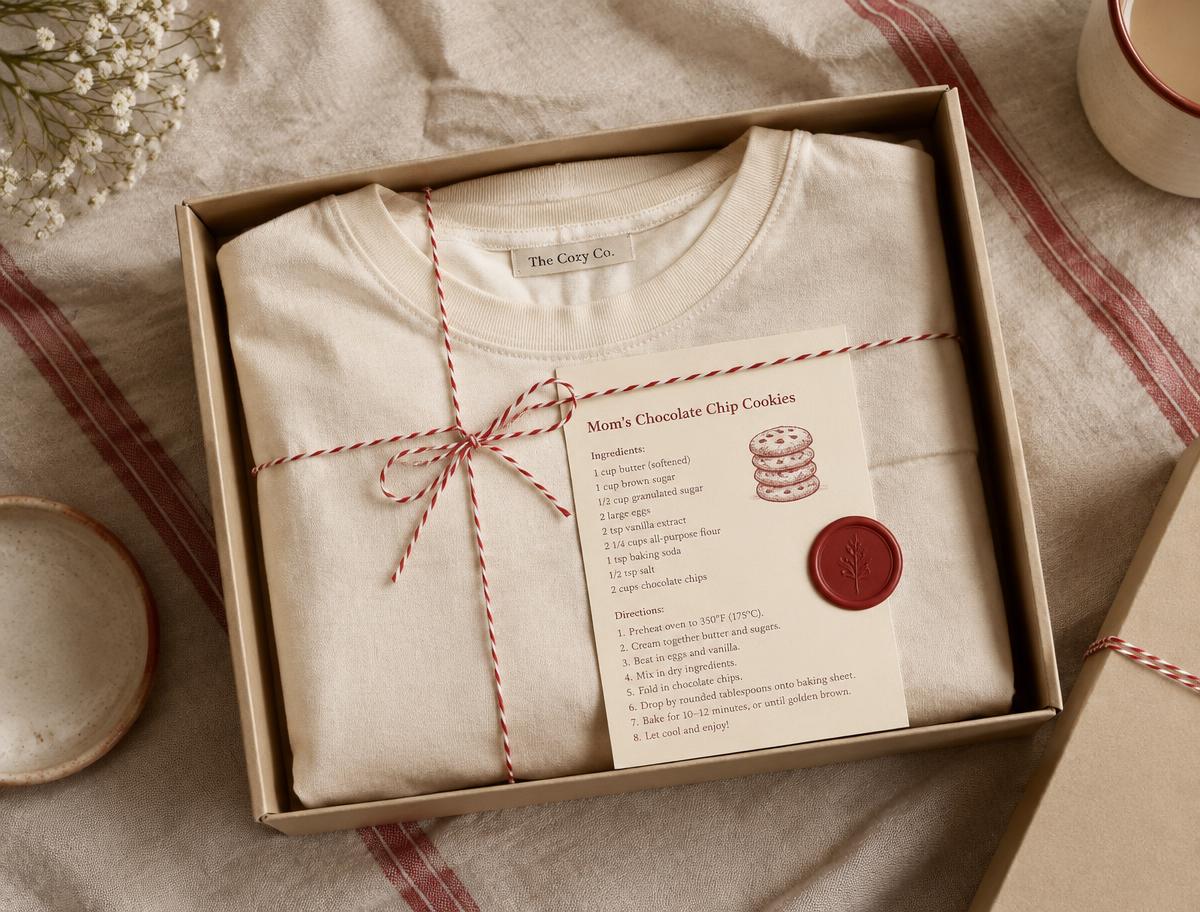
Shirts are the first thing we've made. Each one names a dish, the kitchen it comes from and the line said while serving it. They're printed for you after you order, and sold through our Etsy shop, which handles payment, delivery and returns. What they earn pays for the work: the travel, the cooking, the research and the writing.
Where this is going
A growing record of the food that raised us: more kitchens, more contributors, more recipes kept in the words of the people who cook them — and, over time, other ways to keep a dish beyond a shirt.
Get in touch
To share a dish, correct something, or ask about a story, use the story form. For order questions, message us through the Etsy shop — that's where orders live.